

(and What I Learned Along the Way)
Fifteen years ago, on May 31, 2010, I walked out of Genzyme for the last time, right in the middle of the Sanofi acquisition. I did not know it then, but I was about to begin one of the most defining chapters of my career, completely by accident.
The summer that followed was one for myself, my husband, and my sons. My boys were 12 and 9, the perfect ages to still think their mother was somewhat decent company. We went on road trips, spent days at the beach, and filled our time with too much ice cream and not enough structure. It was, without question, one of the best summers of my life.
Then September arrived. The boys returned to school, and I found myself completely bored. I needed to do something, so I opened my computer, refreshed my resume, and started interviewing.
By the time I reached the third round of interviews at Shire, something unusual happened. I was spending most of the interview asking the hiring manager questions about why they were hiring, what challenges they were trying to solve, and whether an external project might be the better answer.
Eventually, he looked at me and asked, “Do you actually want this job, or are you offering to consult for us?”
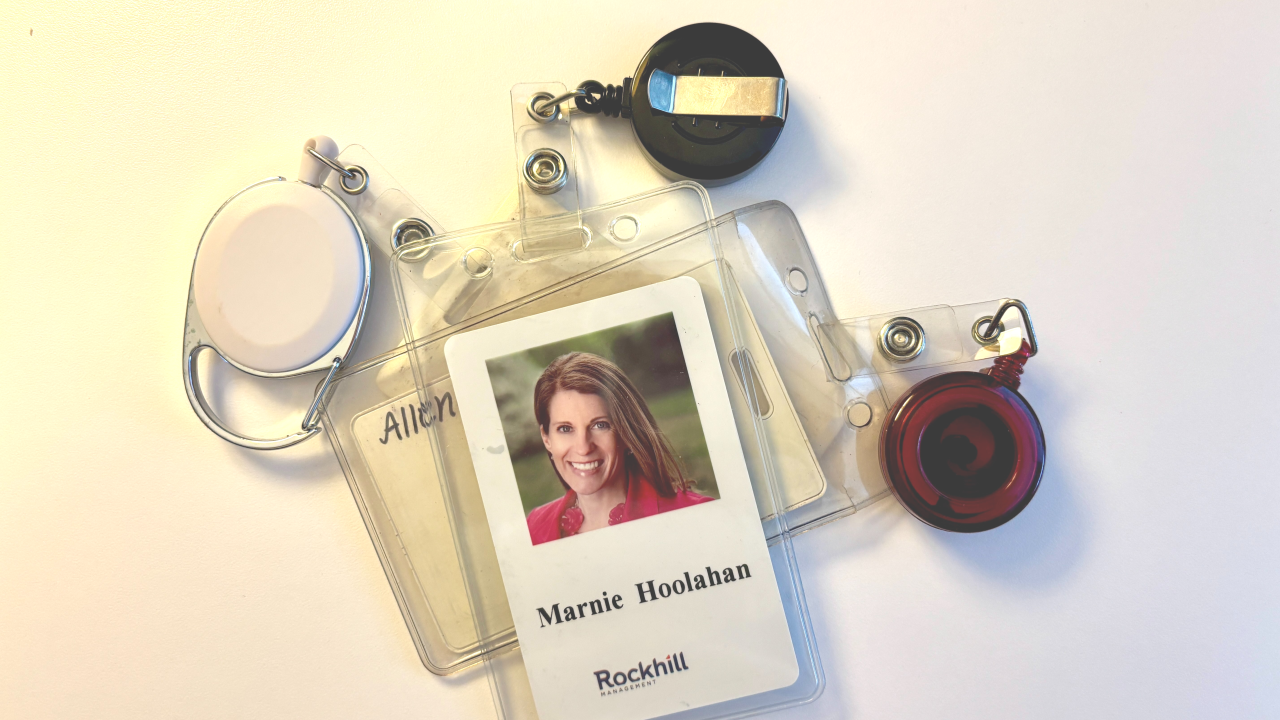
That moment was the light that flipped on. I immediately withdrew from the process and printed my first business cards: Marnie L. Hoolahan, Consultant.
Within a week, I had sent messages to my network, and the response was incredible. In only a few days, my calendar was full. Ironically, one of my first clients was a group of former colleagues from Genzyme who needed help in Gaucher marketing. I offered my experience, my hands-on support, and my reliable type A follow-through, and off we went.
Now, fifteen years later, I find myself preparing for a new chapter. After a contractually required pause, I am ready to launch a new consulting venture this June. As I prepare to begin again, I have reflected on what consulting has taught me and how those lessons continue to influence my professional life.
Here are the three that have truly stayed with me.
Lesson #1: Integrity Defines Reputation
Integrity remains the single most important value that defines my professional and personal character. It is the quiet force behind everything we do and the foundation of how others describe us when we are not present.
As a consultant, I learned quickly that integrity is not a one-time choice. It is a daily practice that reveals itself when situations become uncomfortable or when the short-term win could come at the cost of long-term trust.
McKinsey recently described integrity as a “trust engine” that drives both leadership and organizational resilience. I believe that wholeheartedly. Those who know me understand that I am direct, honest, and sometimes overly candid. I have learned that leadership teams do not need echoes of agreement. They need advisors who are willing to speak uncomfortable truths in the pursuit of better outcomes.
While I avoid political commentary in professional writing, it is impossible to ignore how far some examples of national leadership have drifted from the principles of honesty and accountability. If nothing else, that contrast reminds us how critical integrity truly is. It is not about image management. It is about aligning actions and values, especially when no one else is looking.
Integrity is what builds your reputation over time. It determines how people describe you, recommend you, and trust you when decisions are made behind closed doors.
Lesson #2: Networking is Relationship Building, Not Transactions
Yes, networking is a familiar topic. There are endless articles about its importance, yet few address what really matters: the difference between a transaction and a relationship.
Consulting taught me that authentic networking is not about collecting business cards or contacts on LinkedIn. It is about building an ecosystem of relationships that are genuine, founded on curiosity, and nurtured over time.
I often work with Boston College students and alumni to offer guidance on career exploration. My advice is always consistent: build your network before you need it. Follow up with people without asking for anything. Send a note to share an update, highlight an article that reminded you of them, or simply let them know that something they once told you made an impact.
Being willing to show vulnerability in these connections fosters trust. People appreciate authenticity far more than any polished exchange of résumés or favors.
There have been several individuals in my life whom I supported and mentored over the years. Many of them only reached out when they were in job-search mode. Some did not even communicate news of their success back to me, so I discovered their new roles through LinkedIn updates. Those relationships were purely transactional, and I learned to let them go with kindness but not with engagement.
In contrast, the people with whom I have shared meaningful professional relationships are the same ones who have shown up for me time and again. I advocate for them, they advocate for me, and it feels reciprocal because it is real.
According to the Harvard Business Review, authentic networking is described as “an act of generous curiosity.” I have always loved that phrasing, because it perfectly captures what networking should be. It is about investing in relationships that matter over time, not simply exchanging business cards when convenient.
Lesson #3: Great Consultants Provide Options, Not Answers
When I first started consulting, I assumed that clients were hiring me for the “right answer.” Quickly, I realized that what they truly wanted was clarity, perspective, and choices. They wanted someone who could help them define the problem clearly enough to see the different ways forward.
Many organizations pay substantial amounts for strategic guidance that ends up sitting in binders or on network drives. Estimates vary, but implementation success rates can drop below ten percent when solutions are formulaic or detached from the organization’s culture. A recent Bain and Company analysis emphasized that companies which incorporate situational and human considerations into their decision-making are three times more likely to implement changes successfully.
The best consultants understand that every challenge comes with context. The “right” answer often depends on timing, internal alignment, risk tolerance, and the people involved. I have often solved what appeared to be the same problem in entirely different ways across different organizations, because cultures, markets, and leadership styles all shape the feasible path forward.
Artificial intelligence might generate useful summaries or suggestions, but human consultants bring empathy, judgment, and nuance. Algorithms cannot detect hesitation in a client’s tone, nor can they sense that the real barrier to change sits in the organizational mindset. Human experience still matters most when developing practical, lasting solutions.
Looking Ahead
As I prepare to begin this next chapter, I feel the same blend of excitement and apprehension that I felt in 2010. The difference is that today, I understand exactly what guides me.
Integrity, authentic relationships, and thoughtful optionality have grounded me through both triumphs and transitions. These principles have shaped my consulting practice, my leadership style, and my personal values.